.png)
What to Look for When Buying a Carbon Fiber Pool Cue
The decision to purchase a carbon fiber pool cue is an investment in consistency, durability, and performance. With the market expanding rapidly, understanding what truly matters can be the difference between buying a marketing gimmick and acquiring a genuine performance enhancer. As a pioneer in the field, the Predator carbon fiber pool cue—specifically the groundbreaking Revo series—has set a high bar for what players should expect. Using Predator’s engineering as a benchmark, this guide will walk you through the critical factors to scrutinize when evaluating any carbon fiber cue. From core technology to personal feel, we’ll detail what to look for to ensure your investment delivers the revolutionary performance promised by this advanced material, helping you make a choice you’ll be confident in for years to come.
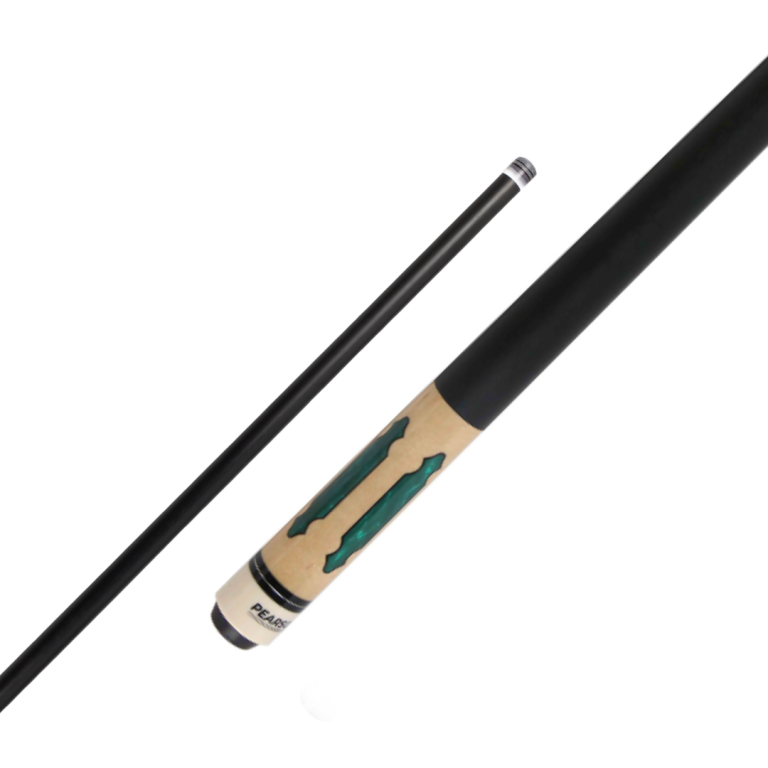
1. Core Technology & Deflection Performance: The Heart of the Matter
Not all carbon fiber is created equal. The primary reason players switch to carbon fiber is for its superior low-deflection (LD) characteristics. This is where a brand’s engineering philosophy is paramount.
What to Look For:
Proprietary Construction: How does the manufacturer reduce deflection? Predator’s Revo, for example, uses a PVD (Physical Vapor Deposition) ferrule and a uniquely thin, consistent carbon wall thickness. This specific design minimizes the mass at the front end of the shaft—the key to reducing squirt.
Consistency of Profile: The deflection profile should be uniform across the entire face of the tip. Ask: Is the technology just a carbon sleeve over a wood core, or is it a pure, engineered carbon composite structure? Pure carbon fiber constructions, like the Revo, offer more predictable performance.
Independent Reviews & Data: Look for technical reviews or player testimonials that discuss how the cue achieves its LD properties. The reputation of the Predator carbon fiber pool cue is built on measurable, on-table results and widespread adoption by top professionals.
2. Shaft Taper and Feel: Your Connection to the Cue Ball
The taper—the gradual narrowing from the joint to the ferrule—directly influences the cue's flex, balance, and ultimately, the "feel" transmitted to your hand. This is highly subjective but critically important.
What to Look For:
Taper Types: Understand the common options. A pro taper (long and straight) offers a consistent feel through the bridge, favored for a smooth stroke. A european/conical taper narrows more progressively and can feel stiffer. Predator typically employs a refined pro taper optimized for their carbon fiber’s flex profile.
The "Hit" Sensation: This is the most personal factor. Does the cue feel "crisp," "solid," "hollow," or "soft"? The Predator Revo is known for a distinctive, crisp, and direct feedback—some call it "clean" or "fast." Other brands may aim for a more traditional, woody feel. If possible, test before you buy.
Vibration Dampening: High-quality carbon fiber cues manage harmonic vibration effectively. The feel shouldn’t be "dead," but the unpleasant, ringing vibration of a poor-quality cue is a red flag.
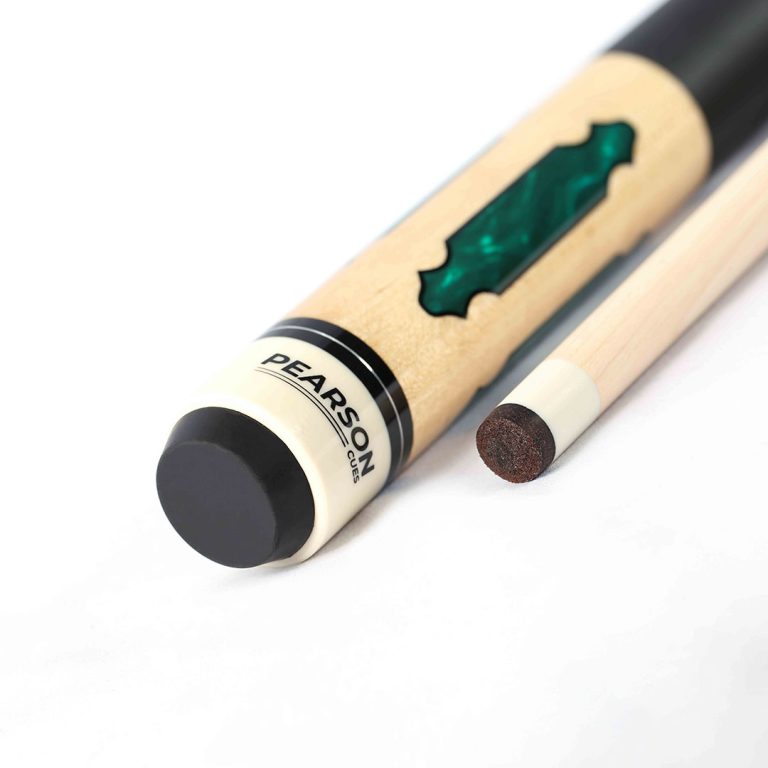
3. Tip Diameter: Balancing Control and Forgiveness
The tip diameter is a practical choice that affects your play style. It's not one-size-fits-all, and the best Predator carbon fiber pool cue for you depends on your game.
11.8mm: The choice for maximum precision and spin. Favored by elite players and those with a very consistent, accurate stroke. It allows for extreme English with less cue tip offset but offers the smallest margin for error.
12.4mm & 12.9mm (Predator's Sizes): These are the versatile sweet spots. The 12.9mm, in particular, has become iconic. It provides an excellent balance—offering significantly lower deflection than wood while maintaining a more familiar and forgiving contact area than the 11.8mm. It’s the recommended starting point for most players transitioning to carbon fiber.
Action: Consider your current skill and aims. If you seek more control and are confident in your tip placement, go smaller. If you want a smoother transition from a wooden shaft, the 12.9mm is often the perfect bridge.
4. Build Quality, Finish, and Durability
Carbon fiber promises legendary durability, but execution matters. Examine the cue like a fine instrument.
What to Inspect:
The Surface Finish: Run your fingers along the shaft. It should be flawlessly smooth, with a consistent, high-gloss clear coat. There should be no bumps, waves, "orange peel" texture, or cloudy areas. The weave of the carbon fiber should be even and tight. The finish on a Predator carbon fiber pool cue is famously slick and durable.
Ferrule Integration: The joint between the carbon fiber shaft and the ferrule (the white front end) should be seamless, with no gaps, glue lines, or uneven edges. Predator's PVD ferrule is a monolith with the shaft, eliminating this traditional failure point entirely.
Joint Precision: The joint (e.g., Uni-Loc Quick-Release, Radial) should screw on and off smoothly, with a precise, snug fit without wobble. This ensures consistent energy transfer.
5. The Butt: Balance, Weight, and Personalization
A carbon fiber shaft is only half the system. The butt completes the cue.
Weight & Balance: A complete cue typically ranges from 18oz to 21oz. The balance point (where the cue rests horizontally on your finger) is crucial. A forward balance can feel smoother for a pendulum stroke; a rear balance feels quicker. Many Predator carbon fiber pool cue butts (like those in the Revo lineup) are designed with specific balance points to complement their shafts. Adjustable weight systems are a valuable feature.
Wrap & Grip: Choose based on comfort. Options include Irish linen (moisture-wicking), leather (soft grip), or wrapless finished wood. This is a pure personal preference that affects your hold and confidence.
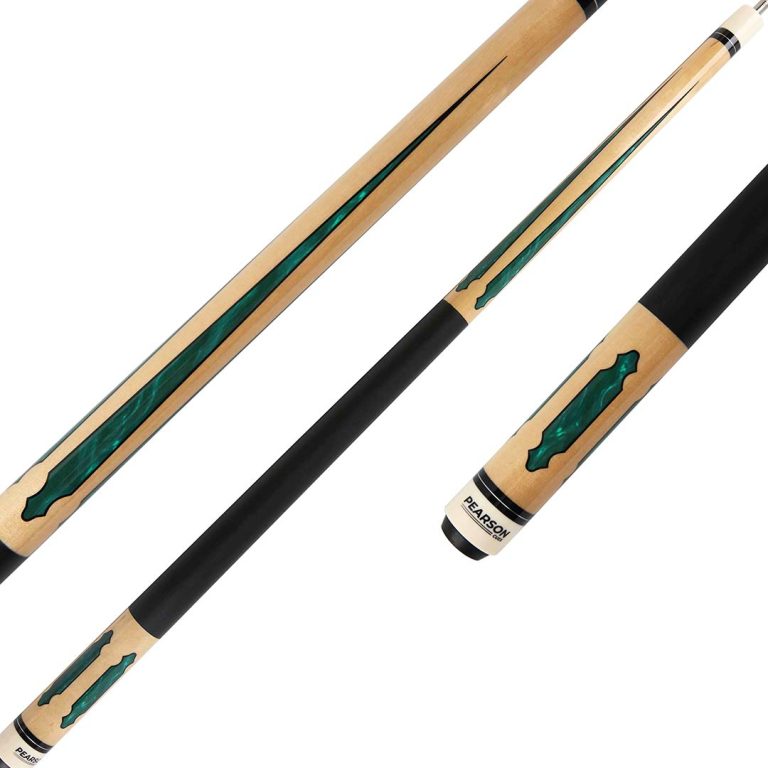
Aesthetics & Craftsmanship: The butt should be well-crafted with precise inlays, clean points, and a durable finish. You're investing in a tool you'll use for years—choose one that you find visually inspiring and well-made.
6. Brand Reputation, Warranty, and After-Sales Support
Your cue is a long-term investment. The company behind it matters.
Innovation Legacy: Consider brands with a proven track record of R&D, not just those jumping on a trend. Predator didn't just make a carbon fiber shaft; they spent years developing the Revo to solve specific performance equations, building on decades of LD shaft innovation.
Warranty: A strong warranty is non-negotiable. Look for a lifetime warranty against warping and defects in materials/workmanship. This is the manufacturer's guarantee of confidence. Predator offers a robust warranty on their products.
Professional Endorsement & Tournament Presence: While not everything, widespread use by top touring professionals is a strong indicator of performance under the highest pressure. The dominance of the Predator carbon fiber pool cue on the professional tour is a significant testament to its capabilities.
7. Trying Before Buying: The Ultimate Test
If humanly possible, try before you buy. Hit a dozen balls with a cue you're considering.
Test for Feel: Does the feedback inspire confidence?
Test for Deflection: Hit simple shots with side spin. Does the cue ball squirt in a way that feels predictable and manageable?
Test the Balance: Does the cue feel like a natural lever in your hands?
Learn more about this process in our detailed guide here: https://pearsoncues.com/
Conclusion: An Investment in Confidence
Buying a carbon fiber pool cue is a significant step in any player's journey. By focusing on these key areas—core deflection technology, shaft taper and feel, appropriate tip diameter, impeccable build quality, a complementary butt, and the brand's solid reputation—you move beyond hype and make a decision based on performance and personal fit.
Using the Predator carbon fiber pool cue as a benchmark shows what dedicated engineering can achieve: a product where every detail, from the PVD ferrule to the specific taper and diameter options, is designed for a purpose. Let this checklist guide your evaluation. In doing so, you won't just buy a carbon fiber cue; you'll acquire a precision instrument engineered to unlock a new level of consistency and confidence in your game for the long term.
The decision to purchase a carbon fiber pool cue is an investment in consistency, durability, and performance. With the market expanding rapidly, understanding what truly matters can be the difference between buying a marketing gimmick and acquiring a genuine performance enhancer. As a pioneer in the field, the Predator carbon fiber pool cue—specifically the groundbreaking Revo series—has set a high bar for what players should expect. Using Predator’s engineering as a benchmark, this guide will walk you through the critical factors to scrutinize when evaluating any carbon fiber cue. From core technology to personal feel, we’ll detail what to look for to ensure your investment delivers the revolutionary performance promised by this advanced material, helping you make a choice you’ll be confident in for years to come.
1. Core Technology & Deflection Performance: The Heart of the Matter
Not all carbon fiber is created equal. The primary reason players switch to carbon fiber is for its superior low-deflection (LD) characteristics. This is where a brand’s engineering philosophy is paramount.
What to Look For:
Proprietary Construction: How does the manufacturer reduce deflection? Predator’s Revo, for example, uses a PVD (Physical Vapor Deposition) ferrule and a uniquely thin, consistent carbon wall thickness. This specific design minimizes the mass at the front end of the shaft—the key to reducing squirt.
Consistency of Profile: The deflection profile should be uniform across the entire face of the tip. Ask: Is the technology just a carbon sleeve over a wood core, or is it a pure, engineered carbon composite structure? Pure carbon fiber constructions, like the Revo, offer more predictable performance.
Independent Reviews & Data: Look for technical reviews or player testimonials that discuss how the cue achieves its LD properties. The reputation of the Predator carbon fiber pool cue is built on measurable, on-table results and widespread adoption by top professionals.
2. Shaft Taper and Feel: Your Connection to the Cue Ball
The taper—the gradual narrowing from the joint to the ferrule—directly influences the cue's flex, balance, and ultimately, the "feel" transmitted to your hand. This is highly subjective but critically important.
What to Look For:
Taper Types: Understand the common options. A pro taper (long and straight) offers a consistent feel through the bridge, favored for a smooth stroke. A european/conical taper narrows more progressively and can feel stiffer. Predator typically employs a refined pro taper optimized for their carbon fiber’s flex profile.
The "Hit" Sensation: This is the most personal factor. Does the cue feel "crisp," "solid," "hollow," or "soft"? The Predator Revo is known for a distinctive, crisp, and direct feedback—some call it "clean" or "fast." Other brands may aim for a more traditional, woody feel. If possible, test before you buy.
Vibration Dampening: High-quality carbon fiber cues manage harmonic vibration effectively. The feel shouldn’t be "dead," but the unpleasant, ringing vibration of a poor-quality cue is a red flag.
3. Tip Diameter: Balancing Control and Forgiveness
The tip diameter is a practical choice that affects your play style. It's not one-size-fits-all, and the best Predator carbon fiber pool cue for you depends on your game.
11.8mm: The choice for maximum precision and spin. Favored by elite players and those with a very consistent, accurate stroke. It allows for extreme English with less cue tip offset but offers the smallest margin for error.
12.4mm & 12.9mm (Predator's Sizes): These are the versatile sweet spots. The 12.9mm, in particular, has become iconic. It provides an excellent balance—offering significantly lower deflection than wood while maintaining a more familiar and forgiving contact area than the 11.8mm. It’s the recommended starting point for most players transitioning to carbon fiber.
Action: Consider your current skill and aims. If you seek more control and are confident in your tip placement, go smaller. If you want a smoother transition from a wooden shaft, the 12.9mm is often the perfect bridge.
4. Build Quality, Finish, and Durability
Carbon fiber promises legendary durability, but execution matters. Examine the cue like a fine instrument.
What to Inspect:
The Surface Finish: Run your fingers along the shaft. It should be flawlessly smooth, with a consistent, high-gloss clear coat. There should be no bumps, waves, "orange peel" texture, or cloudy areas. The weave of the carbon fiber should be even and tight. The finish on a Predator carbon fiber pool cue is famously slick and durable.
Ferrule Integration: The joint between the carbon fiber shaft and the ferrule (the white front end) should be seamless, with no gaps, glue lines, or uneven edges. Predator's PVD ferrule is a monolith with the shaft, eliminating this traditional failure point entirely.
Joint Precision: The joint (e.g., Uni-Loc Quick-Release, Radial) should screw on and off smoothly, with a precise, snug fit without wobble. This ensures consistent energy transfer.
5. The Butt: Balance, Weight, and Personalization
A carbon fiber shaft is only half the system. The butt completes the cue.
Weight & Balance: A complete cue typically ranges from 18oz to 21oz. The balance point (where the cue rests horizontally on your finger) is crucial. A forward balance can feel smoother for a pendulum stroke; a rear balance feels quicker. Many Predator carbon fiber pool cue butts (like those in the Revo lineup) are designed with specific balance points to complement their shafts. Adjustable weight systems are a valuable feature.
Wrap & Grip: Choose based on comfort. Options include Irish linen (moisture-wicking), leather (soft grip), or wrapless finished wood. This is a pure personal preference that affects your hold and confidence.
Aesthetics & Craftsmanship: The butt should be well-crafted with precise inlays, clean points, and a durable finish. You're investing in a tool you'll use for years—choose one that you find visually inspiring and well-made.
6. Brand Reputation, Warranty, and After-Sales Support
Your cue is a long-term investment. The company behind it matters.
Innovation Legacy: Consider brands with a proven track record of R&D, not just those jumping on a trend. Predator didn't just make a carbon fiber shaft; they spent years developing the Revo to solve specific performance equations, building on decades of LD shaft innovation.
Warranty: A strong warranty is non-negotiable. Look for a lifetime warranty against warping and defects in materials/workmanship. This is the manufacturer's guarantee of confidence. Predator offers a robust warranty on their products.
Professional Endorsement & Tournament Presence: While not everything, widespread use by top touring professionals is a strong indicator of performance under the highest pressure. The dominance of the Predator carbon fiber pool cue on the professional tour is a significant testament to its capabilities.
7. Trying Before Buying: The Ultimate Test
If humanly possible, try before you buy. Hit a dozen balls with a cue you're considering.
Test for Feel: Does the feedback inspire confidence?
Test for Deflection: Hit simple shots with side spin. Does the cue ball squirt in a way that feels predictable and manageable?
Test the Balance: Does the cue feel like a natural lever in your hands?
Learn more about this process in our detailed guide here: https://pearsoncues.com/
Conclusion: An Investment in Confidence
Buying a carbon fiber pool cue is a significant step in any player's journey. By focusing on these key areas—core deflection technology, shaft taper and feel, appropriate tip diameter, impeccable build quality, a complementary butt, and the brand's solid reputation—you move beyond hype and make a decision based on performance and personal fit.
Using the Predator carbon fiber pool cue as a benchmark shows what dedicated engineering can achieve: a product where every detail, from the PVD ferrule to the specific taper and diameter options, is designed for a purpose. Let this checklist guide your evaluation. In doing so, you won't just buy a carbon fiber cue; you'll acquire a precision instrument engineered to unlock a new level of consistency and confidence in your game for the long term.